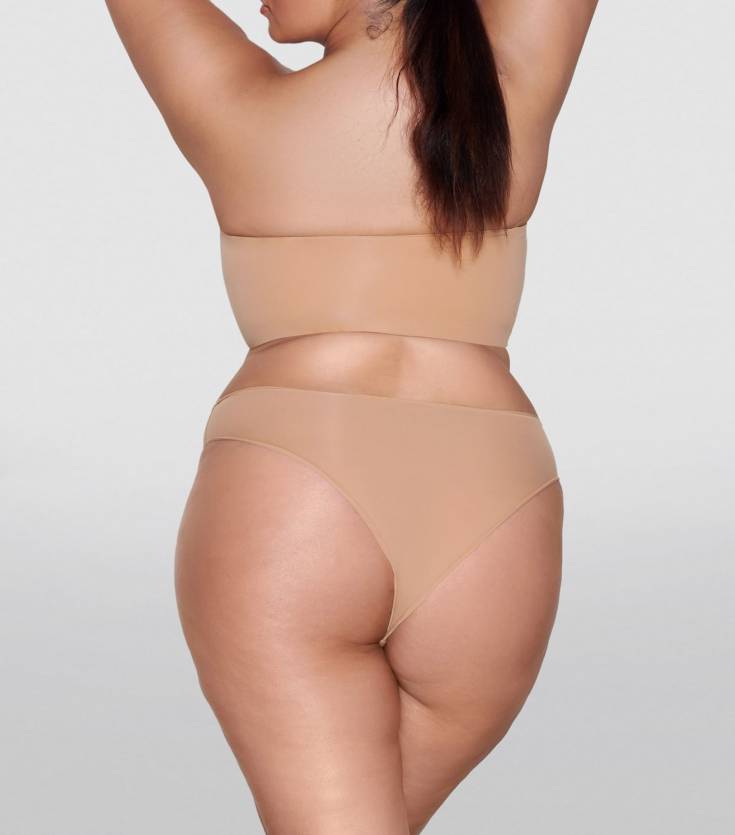
Excess upper, middle, and lower back fat builds up for the same reason any other fat does: due to genetics, a lack of exercise, a sedentary lifestyle, or certain health conditions. With age, fat also tends to accumulate more around your belly area, which can also lead to so-called “love handles” on your lower back.
Why do I have back fat when I’m skinny?
Poor nutrition and a lack of exercise are also related to excess body fat, the second contributor to back fat. The combination of both of these contribute to excess fat tissue accumulation around the back and promotes the appearance of back flab around your upper and lower back as well as around your sides.
Can Walking reduce back fat?
Walking is a form of aerobic exercise. This means it gets your heart rate up and helps you burn calories and fat. When you combine walking with a healthy, low-calorie diet, you can lose weight from your body, including your back and stomach.
How can I slim my back?
To get rid of fat deposits on your back, you’ll need to start by creating a caloric deficit. That means that you’ll need to burn more calories than you consume. In addition to cutting calories, you can tone your back muscles if you focus your exercise routine to target the muscles in your upper and lower back.
Why does my fat go to my back? – Related Questions
How long does it take to get rid of back fat?
Losing fat through exercise alone can take about 6 months of consistent effort before you notice a big difference.
Can walking tone your back?
Walk the right way
Yes, it’s walking not weight lifting, but it’s also the perfect opportunity to tone your back, too. Here’s how: By bracing your entire midsection while walking, you immediately pull your shoulders back, forcing your upper back muscles to contract, says Green.
How do you get rid of back fat fast?
Will walking get rid of my muffin top?
Make an effort to walk more often.
In addition to high intensity cardio and strength training, walking is also a great way to target belly fat. While it may not produce results as quickly or efficiently as more intense forms of exercise, walking more can make a huge difference in the size of your muffin top over time.
Does walking get rid of side fat?
Walking might not be the most strenuous form of exercise, but it is an effective way to get in shape and burn fat. While you can’t spot-reduce fat, walking can help reduce overall fat (including belly fat), which, despite being one of the most dangerous types of fat, is also one of the easiest to lose.
What is a flat tummy walk?
Does walking 30 minutes a day help lose belly fat?
Walking to lose belly fat is an effective activity for total-body fat loss, too. Any form of exercise can help you burn calories and shed fat, including walking. Walking at a moderate pace for about 30 to 60 minutes per day can help you start to lose belly fat, according to Harvard Health Publishing.
Where do you lose weight first when walking?
The best part: When women walk, deep abdominal fat is the first to go. That’s a scientific fact we can get excited about. Another happy truth: Although you’re moving at a fast clip, power walking is still easier on the joints than running.
What is the hardest place to lose fat?
As against areas such as legs, face and arms, our stomach and abdominal regions possess beta cells that makes it difficult to reduce the fats easily and lose weight in these areas. However, as per research, belly fat is the most difficult to lose as the fat there is so much harder to break down.
What are the first signs of weight loss?
10 signs you’re losing weight
- You’re not hungry all the time.
- Your sense of well-being improves.
- Your clothes fit differently.
- You’re noticing some muscle definition.
- Your body measurements are changing.
- Your chronic pain improves.
- You’re going to the bathroom more — or less — frequently.
- Your blood pressure is coming down.
Is it better to walk faster or longer?
A longer walk may take more time, but the activity lowers your risk of injury and provides many of the same health benefits as walking faster. A longer walk builds endurance so that you can, over time, cover longer distances, Dr. Higgins says. Consistent walking allows you to gradually combine both distance and speed.
What is a good distance to walk everyday?
Walking is a form of low impact, moderate intensity exercise that has a range of health benefits and few risks. As a result, the CDC recommend that most adults aim for 10,000 steps per day . For most people, this is the equivalent of about 8 kilometers, or 5 miles.
How many steps should you take a day by age?
Recommended Steps Per Day By Age
| Age | Steps Per Day: Minimum | Steps Per Day: Active |
|---|
| 6-11 years old (male) | 6,000 steps | 13,000 steps |
| 12-19 years old | 6,000 steps | 10,000 steps |
| 20-65 years old | 3,000 steps | 7,000 steps |
| 65+ years old | 3,000 steps | 7,000 steps |
What happens if we walk too much?
Old injuries, like a sore knee, are likely to flare up. Increased risk of injury: Soreness from overtraining can lead to bad form and posture while walking, which can then lead to an increased risk of injury. Sore or injured joints are also at more risk for a sudden, severe injury than they would be with proper rest.
How soon will I see results from walking?
After 3-4 days of walking: you will notice the “better fit” or more room in your clothes! After 7 days of walking: real changes are happening! You have used body fat as energy (fat burning!) Muscles feel more toned!
How many minutes should you walk a day to lose weight?
Walking 1 hour each day can help you burn calories and, in turn, lose weight. If you’d like to lose a substantial amount of weight (more than 5% of your body weight), the U.S. Department of Health and Human Services recommends getting at least 300 minutes of moderately intense physical activity weekly.