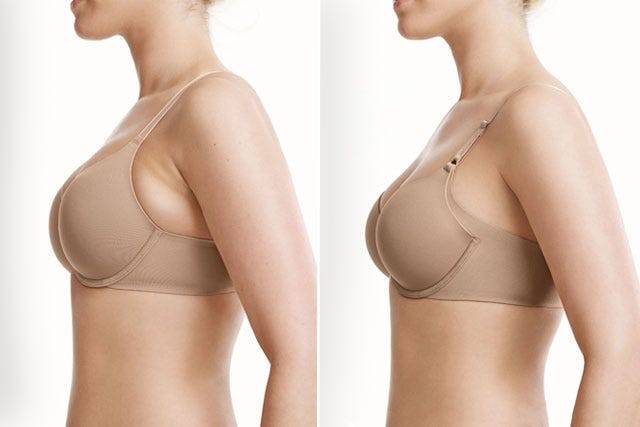
Goodbye to the Waddle: A Guide to Reducing Upper Back Fat
It may seem impossible to rid yourself of upper back fat, but it doesn’t have to be. The good news is, with the right strategy, shedding fat from the upper back can be achieved. Goodbye to the waddle! Here is a guide to reducing upper back fat and getting rid of those waddles.
Firstly, it is important to understand why you might be holding onto fat around your upper back. Genetics, hormones, and lifestyle all play a role. Genetics, unfortunately, can be tricky to nip in the bud. But by focusing on dietary changes and physical activity, you can minimize the effects of genetics.
Secondly, you should also focus on balancing your hormones. A healthy diet full of healthy fats is essential for hormone balance. If you’re eating processed foods, it’s likely that your hormones are out of whack and, in turn, your body is more likely to store fat.
Thirdly, if you’re already eating a healthy diet, you can further optimize your diet for fat reduction. Look to supplement your diet with fiber and protein; research has demonstrated that diet focusing on whole foods may help with reducing fat loss.
Fourthly, exercise must also be part of the equation. Exercise helps to break down stored fat, and when targeted to the upper back, it can help to reduce that area. Try strength training exercises that target the upper back in order to get rid of the waddle.
Finally, the most important part of fat reduction is consistency. You cannot expect to wake up one day and have all the fat gone from your upper back — it’s a process. So stick with it and don’t give up!
In the following series of sections, we’ll explore how to make the most of the diet and the right kind of exercise to target fat loss in the upper back area.
We’ll begin by talking about the importance of diet in reducing upper back fat. Eating the proper foods can be one of the most effective tools to reducing upper back fat. Whole foods, such as tomatoes, sweet potatoes, avocados, and chia seeds, are nutritious and rich in fiber and protein. They can give your body the nutrients it needs to break down fat stores in the upper back area.
In addition to eating nutritious whole foods, eliminating processed, sugary, or deep-fried foods will be essential to shedding fat from the upper back area. Refined carbohydrates and added sugars can lead to high insulin levels, which often triggers the body to store more fat. Cutting out these unhealthy food items from your diet can be a great step forward to reducing the fat in your upper back.
Aside from eating right, hydration is often overlooked but plays a pivotal role in fat loss. Water helps to reduce inflammation in the body and helps to flush out toxins, which can both aid in burning off the fat. Plus, drinking more water is a great way to fill up and stave off unhealthy snacking.
Moreover, mindful eating can also be beneficial for reducing fat in the upper back. When we eat mindlessly, we often eat more than we realize. By being mindful of our food choices and how much we are eating, we can be sure that we are not overeating and consuming more calories than we need; this can play a big role in helping to reduce upper back fat.
Finally, supplements can have a great impact on fat reduction. Fish oil, caffeine, green tea, and raspberry ketones are all supplements that have been known to help burn fat and reduce weight. But one should be careful when choosing supplements, as some can have unintended side effects if taken in excess or without consulting with a doctor.
Now, let us explore the importance of exercise in reducing upper back fat. Exercise helps to break down fat in the body, and when targeted to the upper back, can help to reduce that area. A combination of aerobic and strength training moves, such as swimming, push-ups, rowing, pull-ups, and planks, are great for targeting fat in the upper back area.
For maximum effect, it is recommended to perform strength exercises slowly, and with controlled movements. This will help to target the specific muscles and ensure the best results. If done correctly, these types of exercise can help to increase the metabolism, which can thus help to burn off excess fat.
Also, don’t forget to include a warm-up period before exercising. A few minutes of stretching or walking can rush blood through the body and get the body excited for the impending exercise.
Furthermore, whereas strength training should be done slower, aerobic exercises should be done at a steady but challenging pace. Brisk walks, jogs, or sprints can help to keep the body in a caloric deficit state and can help improve cardiovascular health.
Moreover, one of the most popular and effective ways to exercise and reduce upper back fat is the HIIT (High-Intensity Interval Training) method. HIIT combines short bursts of intense exercise followed by low-intensity exercises. This type of exercise is incredibly effective at burning fat and is often recommended by trainers and experts alike.
Finally, it is important to remember to rest. The body needs rest in order for it to achieve fat loss. Therefore, it is important to have at least one day of rest each week in order to give the body the rest it needs in order to get rid of the fat in the upper back.
Now, let us take a look at how to combine all of these elements into an optimal fat loss strategy. For maximum fat loss, one should reduce their caloric intake by 500-1000 calories per day and combine this reduced calorie intake with a workout program that includes both strength and cardiovascular exercises.
Eating nutritiously, engaging in mindfulness while eating, and taking a multivitamin supplement will all help to ensure that the body gets the nutrients it needs to continue fat loss.
In addition to this combination of healthy eating and exercise, it is also important to address any mental or emotional triggers that could be standing in the way of fat loss. Cutting out processed foods, spending quality time in nature, and detaching from any unhelpful habits can be important steps that can help to spark the fat loss journey.
Finally, be sure to track your progress. Documenting your progress, taking body measurements, and noting any improvements can help to stay motivated and keep the momentum going. Even if the results are not what you were initially expecting, you can still track your progress and use it as a source of motivation to help achieve the desired goal.
To recap, reducing upper back fat is achievable. By combining dietary changes with targeted exercises and mindful changes, we can shed fat from our upper back and say goodbye to the waddles. Identifying any emotional triggers, tracking progress, and understanding the importance of rest can all help us get closer to our goal of reducing fat. With the right strategy, we can achieve success.