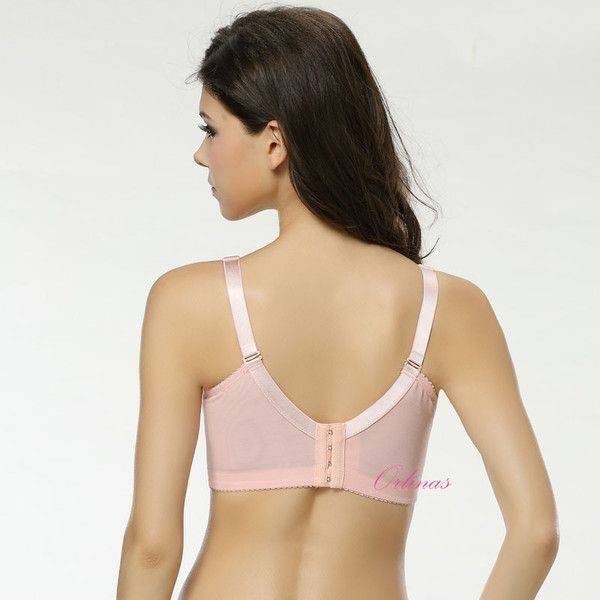
To reduce back fat and tone your upper body, try these 10 effective exercises: Push-ups engage your back and core, while bent-over rows and lat pulldowns target your lats effectively. Don't overlook dumbbell flyes and reverse flyes—they help define your upper back. Incorporate plank variations for core stability, and add back extensions to strengthen your lower back. Cardio workouts are essential too, as they burn calories and boost heart health. Combining strength training with cardio leads to the best results. Want to learn specific techniques for each move? Keep exploring for more tips and information!
Push-Ups
Although push-ups are often associated with building chest and arm strength, they're also fantastic for targeting back fat. When you perform push-ups, you engage multiple muscle groups, including your back, shoulders, and core, which helps create a more toned appearance overall.
To get started, place your hands shoulder-width apart on the floor, maintaining a straight line from your head to your heels. As you lower your body, focus on squeezing your shoulder blades together. This action not only activates your back muscles but also promotes proper posture, reducing the likelihood of back fat accumulation.
Aim for three sets of 10 to 15 repetitions, gradually increasing the number as you gain strength. If you find standard push-ups challenging, you can modify them by performing them on your knees or against a wall. Remember to keep your core engaged throughout the movement to maximize effectiveness.
Incorporating push-ups into your workout routine can make a significant difference in your back fat reduction journey. Pair them with other exercises and a balanced diet, and you'll be on your way to a stronger, more sculpted back.
Bent-Over Rows
Bent-over rows are one of the most effective exercises for targeting back fat, and they can easily be incorporated into your routine. This exercise primarily works your upper back, lats, and biceps, helping to sculpt a toned appearance.
To perform bent-over rows, grab a pair of dumbbells or a barbell and stand with your feet shoulder-width apart. Bend your knees slightly and hinge at your hips, keeping your back straight and your torso nearly parallel to the ground.
With weights in hand, let your arms hang down towards the floor. Pull the weights towards your lower rib cage, squeezing your shoulder blades together at the top of the movement. Lower the weights back down with control and repeat for 10-15 reps. Aim for three sets to maximize effectiveness.
Make sure you maintain good form throughout the exercise to avoid injury. You can also vary your grip—try using an underhand grip for a different angle.
Incorporate bent-over rows into your weekly workout regimen, and you'll start seeing improvements in your back definition and a reduction in back fat over time.
Lat Pulldowns
Lat pulldowns are a powerhouse exercise for anyone looking to target back fat effectively. This versatile movement primarily works your latissimus dorsi, the broad muscles across your back, helping to create a more toned and sculpted appearance.
To perform a lat pulldown, sit at a cable machine with your feet flat on the floor. Grip the bar with your palms facing away from you, slightly wider than shoulder-width apart.
As you pull the bar down, focus on engaging your back muscles. Pull the bar to your upper chest, keeping your elbows pointed down and back. Avoid using momentum; instead, control the movement to maximize effectiveness. When you reach the bottom, hold for a moment before slowly returning the bar to the starting position.
Aim for 3 sets of 10-15 repetitions, adjusting the weight to guarantee you're challenged but maintaining proper form.
Incorporating lat pulldowns into your routine not only helps reduce back fat but also improves your overall strength and posture. So, make certain to include this essential exercise in your workouts, and you'll be well on your way to a stronger, leaner back.
Dumbbell Flyes
When you want to enhance your back workout and tackle back fat, incorporating dumbbell flyes can be a game-changer. This exercise primarily targets your upper back and shoulders, helping to improve muscle definition while promoting overall strength.
To perform dumbbell flyes, lie on a flat bench with a dumbbell in each hand. Start with your arms extended above your chest, palms facing each other. As you inhale, slowly lower the dumbbells out to the sides, keeping a slight bend in your elbows. Aim for a wide arc, feeling the stretch across your chest and upper back.
When you reach the lowest point, pause for a moment, then exhale as you bring the dumbbells back together above your chest.
Focus on controlled movements to maximize muscle engagement and minimize injury risk. Aim for 3 sets of 10-15 repetitions, ensuring you choose a weight that challenges you but allows for proper form.
Incorporating dumbbell flyes into your routine not only helps in reducing back fat but also enhances your overall upper body strength, giving you a toned and defined look.
Plank Variations
Plank variations are often overlooked but can greatly enhance your back workout and help reduce back fat. These exercises engage not only your core but also your back muscles, leading to improved strength and tone.
Start with the classic plank: place your forearms on the ground, keep your body in a straight line, and hold the position for 30 seconds to a minute. Focus on squeezing your glutes and engaging your back.
Once you've mastered the standard plank, try side planks. Lie on your side, propping yourself up on one forearm, and lift your hips off the ground. This targets your obliques and stabilizes your back. Aim for 30 seconds on each side.
Another effective variation is the plank with shoulder taps. In a high plank position, alternate tapping your shoulders with your opposite hand. This not only challenges your stability but also engages your upper back.
Lastly, consider the plank to push-up shift. Start in a plank, then push up to a high plank position, and lower back down. This variation builds overall strength and engages multiple muscle groups, making it a powerhouse move for reducing back fat.
Incorporate these variations into your routine for maximum results!
Seated Cable Rows
Building on the strong foundation you've established with plank variations, incorporating seated cable rows into your workout routine can further target your back muscles and help reduce back fat.
This exercise is fantastic for developing strength in your upper back, lats, and biceps, which contributes to a more toned appearance.
To perform seated cable rows, start by sitting at a cable machine with your feet firmly planted on the platform. Grab the handle with both hands, keeping your arms extended.
As you exhale, pull the handle toward your torso while keeping your elbows close to your body. Focus on squeezing your shoulder blades together at the end of the movement. Inhale as you slowly return to the starting position. Aim for three sets of 10-15 reps.
Make sure to maintain good posture throughout the exercise—keep your back straight and engage your core. If you're new to this, start with lighter weights to master the form before increasing the resistance.
Adding seated cable rows to your regimen won't only enhance your strength but also help you achieve a sleeker, more defined back.
T-Bar Rows
T-Bar rows are an excellent addition to your back workout routine, providing a powerful way to target your mid-back muscles. This exercise focuses on your rhomboids and latissimus dorsi, helping you sculpt a strong, defined back.
To perform T-Bar rows, start by loading a barbell into a landmine attachment or placing one end in a corner. Stand with your feet shoulder-width apart, grasp the handle or bar with both hands, and hinge at your hips, keeping your back straight.
Pull the bar towards your chest, squeezing your shoulder blades together at the top of the movement. Control the weight as you lower it back down, ensuring you don't rush through the reps. Aim for three to four sets of 8 to 12 repetitions.
Incorporating T-Bar rows into your routine not only builds muscle but also helps improve your posture. This exercise can be done at the gym or even with DIY equipment at home, making it versatile for any fitness level.
Reverse Flyes
While many exercises focus on the larger muscles of the back, reverse flyes are crucial for targeting the often-neglected upper back and shoulder muscles. This exercise not only helps in toning these areas but also improves your posture and overall upper body strength.
To perform reverse flyes, grab a pair of dumbbells and stand with your feet hip-width apart. Hinge at your hips, keeping your back flat and your knees slightly bent. Hold the dumbbells directly beneath your chest, palms facing each other.
As you exhale, lift the weights out to the sides in a controlled manner, squeezing your shoulder blades together at the top of the movement. Inhale as you lower the weights back to the starting position.
Aim for 3 sets of 10-15 repetitions, adjusting the weight to guarantee you maintain good form. You should feel the burn in your upper back and shoulders without straining your neck.
Incorporating reverse flyes into your routine can markedly contribute to reducing back fat and enhancing your overall physique, so don't skip this crucial exercise!
Back Extensions
Back extensions are an essential exercise for strengthening your lower back and enhancing overall spinal stability. This movement targets the erector spinae muscles, which help support your spine and improve posture.
Here's how to perform back extensions effectively:
- Find a stable surface: Use a hyperextension bench or lie face down on an exercise mat. Confirm your hips are supported while your legs extend off the edge.
- Position your body: Keep your feet anchored, and place your hands behind your head or crossed over your chest. Maintain a flat back throughout the movement.
- Lift your torso: Engage your lower back muscles as you slowly raise your upper body. Aim to lift until your spine is in a straight line from head to heels. Avoid overarching your back.
- Lower back down: Control the descent, returning to the starting position without dropping suddenly. This helps to maximize the benefits and prevent injury.
Incorporate back extensions into your routine 2-3 times a week, and you'll notice improvements in your strength and reduction in back fat.
Cardio Workouts
Incorporating cardio workouts into your fitness routine can greatly enhance your efforts to reduce back fat. Engaging in regular cardiovascular exercises helps you burn calories and fat, promoting overall weight loss. Plus, it strengthens your heart and lungs, making your body more efficient at burning fat during other activities.
To get started, choose activities you enjoy, like brisk walking, jogging, cycling, or swimming. Aim for at least 150 minutes of moderate-intensity cardio or 75 minutes of vigorous-intensity exercise each week. You can break this down into manageable sessions of 30 minutes, five days a week.
Intervals can be particularly effective for fat loss. Try alternating between high-intensity bursts and lower-intensity recovery periods. For example, sprint for 30 seconds, then walk for one minute. This method not only keeps your workouts exciting but also maximizes calorie burn.
Don't forget to incorporate some strength training alongside your cardio. Building muscle increases your resting metabolic rate, which means you'll continue to burn calories even when you're not exercising.
Conclusion
Incorporating these exercises into your routine will strengthen your back, enhance your posture, and boost your confidence. By committing to push-ups and bent-over rows, embracing lat pulldowns and reverse flyes, you're not just targeting back fat; you're building a stronger, healthier you. Combine these with cardio workouts and plank variations, and you'll see real results. So, get started today—your journey to a firmer back and a fitter lifestyle awaits!