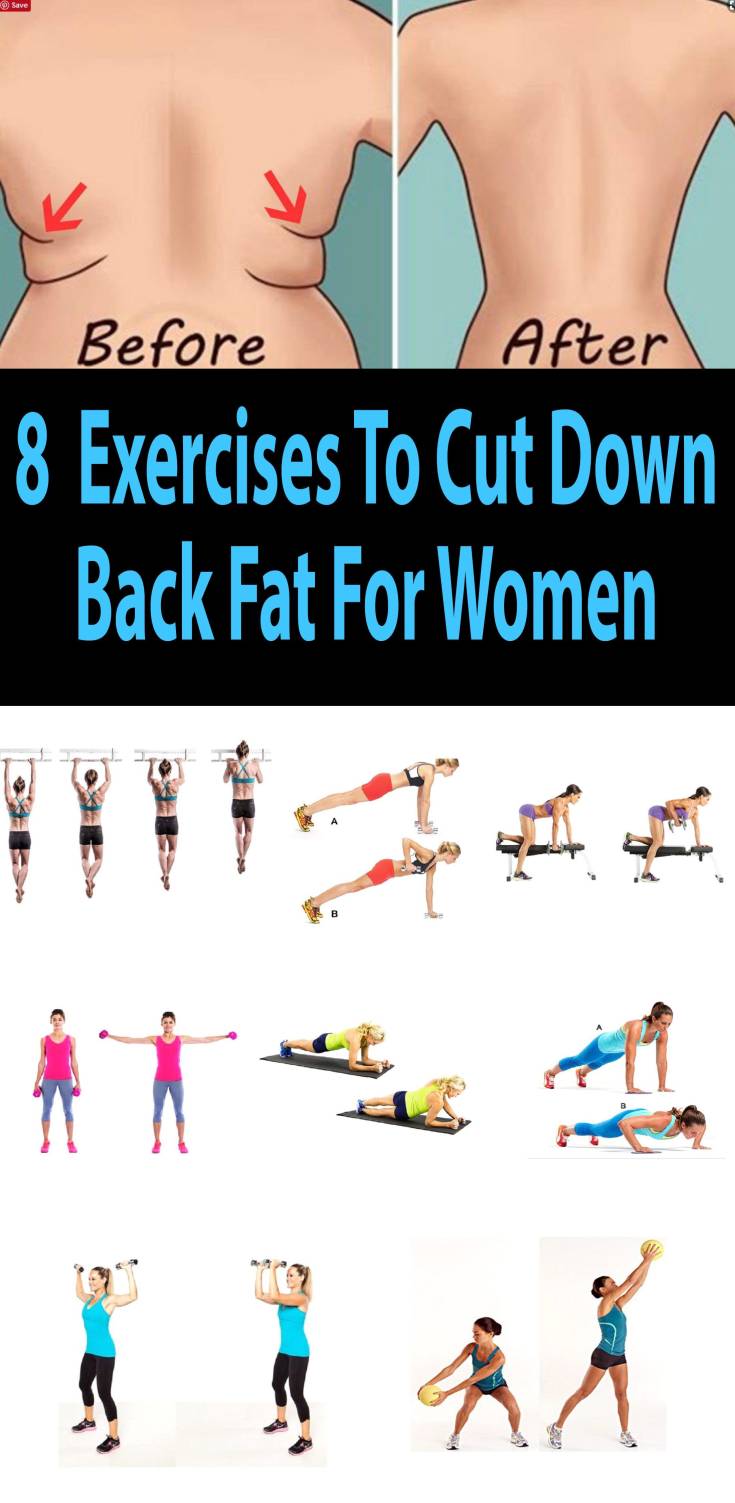
Looking to reduce back fat? Making small changes to your diet and nutrition can make a big difference.
By incorporating more lean proteins and fiber-rich foods into your meals, and cutting back on sugary drinks and processed snacks, you can start to see a change in your back fat.
It's all about making simple, sustainable choices that support your overall health and wellness.
So, let's dive into some easy diet and nutrition tips that can help you on your journey to reducing back fat.
Key Takeaways
- Back fat is caused by factors such as genetics, poor diet, lack of exercise, and aging.
- Spot reduction of back fat is a myth; overall fat loss through a healthy diet and regular exercise is key.
- Incorporating lean proteins, fiber-rich foods, and reducing intake of sugary and processed foods can help reduce back fat.
- Lifestyle changes such as engaging in cardiovascular exercises, including resistance training, and maintaining good posture can aid in back fat reduction.
Understanding Back Fat
To understand back fat, you need to recognize that it's excess fat stored on your back, often causing bulges or rolls. This type of fat can accumulate in the upper, mid, or lower back, and can be difficult to target with exercise alone.
Back fat can be a result of various factors, including genetics, poor diet, lack of exercise, and aging. It's important to understand that spot reduction, or targeting fat loss from a specific area of the body, is a myth. This means that doing endless back exercises won't necessarily reduce back fat.
Instead, overall fat loss through a combination of a healthy diet and regular exercise is the key to reducing back fat. Incorporating cardiovascular exercise, strength training, and a balanced diet can help reduce overall body fat, including back fat.
Additionally, practicing good posture and building a strong back through targeted exercises can help improve the appearance of back fat. Understanding the nature of back fat is the first step in effectively addressing and reducing it.
Diet Tips for Reducing Back Fat
Start by incorporating more lean protein, fruits, and vegetables into your diet to help reduce back fat. Lean protein sources like chicken, turkey, fish, and legumes can aid in muscle building and fat loss. Fruits and vegetables are low in calories and high in essential nutrients and fiber, which can help you feel full and satisfied while managing your weight.
Additionally, aim to reduce your intake of sugary and processed foods. These items often contain high amounts of added sugars and unhealthy fats, contributing to weight gain and increased back fat. Instead, opt for whole, unprocessed foods like whole grains, nuts, seeds, and lean meats.
It's crucial to stay hydrated as well. Drinking plenty of water can help you maintain a healthy metabolism and reduce overeating. Avoid sugary drinks and excessive alcohol consumption, as these can contribute to weight gain and hinder your efforts to reduce back fat.
Incorporating these dietary changes, along with regular exercise, can help you effectively reduce back fat and improve your overall health and well-being.
Nutritional Strategies for Targeting Back Fat
Incorporating lean protein, fruits, and vegetables into your diet can help target back fat by aiding muscle building and fat loss. Here are some nutritional strategies to effectively target back fat:
Increase Protein Intake:
Protein plays a crucial role in muscle building and repair. Opt for lean sources such as chicken, turkey, fish, tofu, and legumes to support muscle development and metabolism.Emphasize Fibrous Foods:
Consuming a variety of fruits and vegetables not only provides essential vitamins and minerals but also contributes to feeling full and satisfied. This can aid in reducing overall calorie intake, which is beneficial for fat loss.Choose Healthy Fats:
Incorporate sources of healthy fats such as avocados, nuts, seeds, and olive oil. These fats support satiety and help regulate hormone production, which can influence fat metabolism.
Incorporating Essential Nutrients
When targeting back fat, consider incorporating essential nutrients into your diet to support muscle development and fat metabolism.
Protein is crucial for muscle repair and growth, so include lean sources like chicken, turkey, tofu, and legumes in your meals.
Additionally, omega-3 fatty acids found in fish, flaxseeds, and walnuts can aid in reducing inflammation and promoting fat loss in the back area.
Vitamin C, abundant in oranges, strawberries, and bell peppers, plays a role in carnitine production, a compound that helps the body convert fat into energy.
Moreover, vitamin D, which can be obtained from sunlight exposure and fortified foods, is essential for maintaining healthy bones and may also influence fat metabolism.
Don't overlook the importance of hydration; drinking plenty of water supports overall metabolism and can help with appetite control.
Lastly, incorporating a variety of colorful fruits and vegetables ensures that you receive a spectrum of vitamins, minerals, and antioxidants that contribute to overall health and may assist in reducing back fat.
Lifestyle Changes for Back Fat Reduction
To begin reducing back fat, prioritize regular physical activity that includes targeted exercises for the back muscles. Incorporating strength training into your routine can help build muscle mass and increase your metabolism, ultimately leading to a reduction in back fat.
Here are some lifestyle changes to consider for back fat reduction:
Cardiovascular Exercise: Engage in activities such as brisk walking, cycling, or swimming to promote overall fat loss, including back fat. Aim for at least 150 minutes of moderate-intensity cardio or 75 minutes of vigorous-intensity cardio per week. Incorporate high-intensity interval training (HIIT) to maximize calorie burn and fat loss.
Resistance Training: Include exercises that specifically target the back muscles, such as rows, pull-ups, and lat pulldowns, to tone and strengthen the back. Perform resistance training exercises 2-3 times per week, allowing for adequate rest between sessions.
Posture Improvement: Focus on maintaining good posture throughout the day to prevent the appearance of back rolls and promote a leaner-looking back.
Frequently Asked Questions
What Are the Best Exercises for Targeting Back Fat?
To target back fat, try exercises like pull-ups, rows, and lat pulldowns. These movements engage the back muscles, promoting fat loss. Combine these exercises with a balanced diet and cardio for effective results.
Can Stress and Lack of Sleep Contribute to Back Fat Accumulation?
Yes, stress and lack of sleep can contribute to back fat accumulation by increasing cortisol levels and affecting metabolism. Managing stress and getting enough sleep are important for overall health and can help reduce back fat.
Are There Any Specific Foods or Supplements That Can Help Speed up Back Fat Reduction?
To speed up back fat reduction, focus on a balanced diet with lean proteins, healthy fats, and plenty of fruits and vegetables. Supplements like conjugated linoleic acid (CLA) and green tea extract may also support your efforts.
How Can I Prevent Back Fat From Returning After Losing It?
To prevent back fat from returning after losing it, focus on maintaining a balanced diet, staying physically active, and practicing good posture. Incorporate strength training exercises to build muscle, which can help prevent fat from accumulating in the back area.
Is There a Correlation Between Hormonal Imbalances and Back Fat?
Did you know that hormonal imbalances can contribute to back fat? Imbalances in hormones like cortisol and insulin may lead to increased fat storage, particularly in the back area. Balancing hormones through diet and exercise is crucial.
Conclusion
So there you have it – some simple diet and nutrition tips to help reduce back fat.
Just remember, it's not about crash diets or extreme measures, but rather making small, sustainable changes to your eating habits and lifestyle.
And while it may seem ironic that targeting back fat involves overall health and wellness, the evidence shows that a balanced approach is the key to achieving your goals.
So go ahead, make those small changes and watch the back fat melt away.