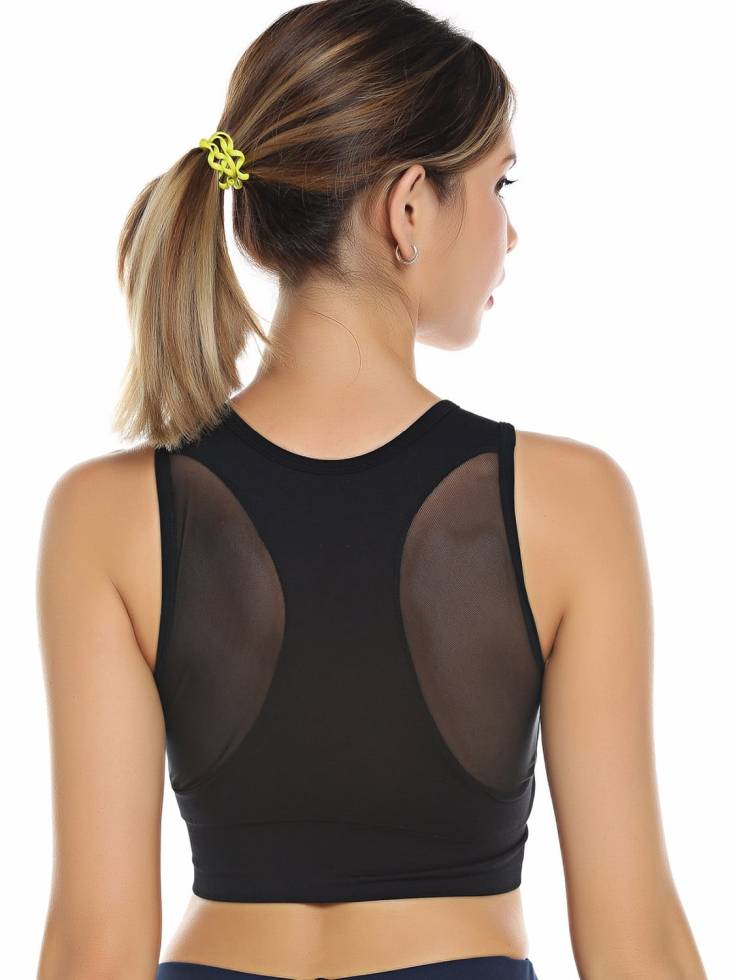
Hey there! Looking to slim down your back? We've got you covered with 8 proven diet tips that will help you achieve your goal.
These tips are simple to incorporate into your daily routine and can make a big difference in how you look and feel.
So, if you're ready to make some changes to your eating habits and see real results, keep reading and get ready to say hello to a slimmer back!
Key Takeaways
- Aim for a gradual and steady weight loss of 1-2 pounds per week
- Prioritize lean proteins in your meals and snacks to support muscle growth and reduce back fat
- Incorporate high-fiber foods in your diet to boost gut health and keep you feeling full longer
- Limit refined carbohydrates and choose whole grains to manage carbohydrate intake and control cravings
Set Realistic Goals
Set achievable weight loss targets to improve your back's appearance and overall health. When setting your goals, it's crucial to be realistic. Aim for a gradual and steady weight loss of 1-2 pounds per week. This approach isn't only achievable but also healthier for your body. By setting attainable targets, you'll be more likely to stay motivated and committed to your weight loss journey. Remember, the goal is to make sustainable lifestyle changes that will benefit your back in the long term.
In addition to setting realistic weight loss goals, it's important to focus on overall wellness. Incorporate exercises that target your back muscles, such as yoga or Pilates, to improve strength and posture. These exercises can also help reduce back fat and create a more toned appearance. Combine this with a balanced diet that includes plenty of fruits, vegetables, lean proteins, and whole grains.
Prioritize Lean Proteins
Prioritize lean proteins in your diet to support muscle growth and repair while aiding in back fat reduction. Lean proteins, such as chicken, turkey, fish, tofu, and legumes, are essential for building and maintaining muscle mass. When you prioritize lean proteins, you provide your body with the necessary building blocks for muscle repair and growth, which can help improve your overall body composition, including reducing back fat.
Additionally, protein has a high thermic effect, meaning that your body burns more calories digesting protein compared to fats or carbohydrates, which can contribute to fat loss, including in the back area.
Incorporating lean proteins into your meals also helps keep you feeling full and satisfied, which can prevent overeating and support your weight loss goals. Aim to include a source of lean protein in each of your meals and snacks to ensure that you're consistently providing your body with the nutrients it needs to support your muscles and reduce back fat.
Incorporate High-Fiber Foods
You should aim to incorporate high-fiber foods into your diet to boost gut health and feel full longer. These foods help with digestion and can aid in weight management by keeping you satisfied throughout the day.
Plus, they can help reduce bloating and improve overall digestive comfort.
Boost Gut Health
Incorporating high-fiber foods is essential for boosting gut health and slimming your back. A diet rich in fiber can aid digestion, prevent constipation, and promote a healthy balance of gut bacteria.
Foods such as fruits, vegetables, whole grains, legumes, and nuts are excellent sources of fiber. These foods help to regulate bowel movements, reduce inflammation, and support overall gut function.
Additionally, a healthy gut can contribute to weight management and a slimmer back by improving nutrient absorption and reducing bloating. Aim to incorporate a variety of high-fiber foods into your daily meals to optimize your gut health and support your weight loss goals.
Remember to increase your fiber intake gradually and drink plenty of water to maximize its benefits.
Feel Full Longer
Enhancing satiety can be achieved by including high-fiber foods in your diet. Fiber-rich foods take longer to digest, keeping you feeling full for extended periods. Incorporating these foods into your meals can help you manage your weight more effectively.
To feel full longer, try these high-fiber options:
- Whole Grains: Choose whole wheat bread, brown rice, quinoa, and oats.
- Legumes: Enjoy beans, lentils, chickpeas, and peas for a fiber boost.
- Fruits and Vegetables: Apples, berries, oranges, broccoli, and carrots are excellent choices.
- Nuts and Seeds: Snack on almonds, chia seeds, flaxseeds, and pumpkin seeds for added fiber and healthy fats.
Limit Refined Carbohydrates
You should aim to choose whole grains over refined ones. This simple change can make a big difference in managing your carbohydrate intake and promoting a healthier back.
Keep an eye on your sugar intake. By being mindful of the amount of sugar you consume, you can further support your efforts to slim your back and improve your overall well-being.
Choose Whole Grains
Limit refined carbohydrates and opt for whole grains to support your efforts in slimming your back. Whole grains are packed with fiber, which helps you feel full and satisfied, preventing overeating. Additionally, they've a lower glycemic index compared to refined carbohydrates, which means they won't cause rapid spikes in blood sugar levels, helping to control cravings and maintain energy levels throughout the day.
When choosing whole grains, look for options like quinoa, brown rice, whole wheat bread, and oats to incorporate into your meals. These options provide essential nutrients and can aid in weight management. By making this simple dietary swap, you can feel more satiated and maintain better control over your calorie intake, further supporting your back-slimming goals.
Monitor Sugar Intake
Cutting back on refined carbohydrates and monitoring your sugar intake is essential for slimming your back. Refined carbohydrates, such as white bread, pasta, and sugary snacks, can lead to weight gain, particularly in the back area.
When you consume refined carbohydrates, your body quickly breaks them down into sugar, causing a spike in blood sugar levels. This can lead to increased fat storage, especially in the back region.
To combat this, opt for whole grains like quinoa, brown rice, and oats, and limit sugary treats. Be mindful of hidden sugars in processed foods and beverages, as these can also contribute to back fat.
Hydrate Adequately
Ensuring adequate hydration is essential for slimming your back and maintaining overall health. When it comes to achieving a slimmer back, drinking enough water is crucial. Here are four reasons why staying adequately hydrated can help you achieve your goals:
Suppresses Appetite: Drinking water before meals can help control your appetite, preventing overeating and promoting weight loss, including in the back area.
Boosts Metabolism: Staying hydrated can optimize your body's metabolic rate, helping you burn more calories and fat, which can contribute to a slimmer back.
Facilitates Exercise Performance: Proper hydration supports better physical performance during exercise, enabling you to engage in back-toning workouts more effectively.
Aids in Toxin Removal: Drinking water helps flush out toxins from your body, promoting overall health and potentially reducing fat accumulation in the back region.
Monitor Portion Sizes
Keep an eye on your portion sizes to manage your calorie intake effectively and aid in slimming your back. When you serve yourself large portions, you're likely to consume more calories than your body needs, which can lead to weight gain and back fat.
Be mindful of portion sizes by using smaller plates and bowls. This simple trick can help you control your portions without feeling deprived.
Another helpful tip is to measure your food using measuring cups or a food scale. This will give you a better understanding of recommended portion sizes and prevent overeating.
Additionally, try to avoid eating straight from the package, as it can make it harder to keep track of how much you've consumed. Instead, portion out your food onto a plate or into a bowl to keep your servings in check.
Minimize Processed Foods
To effectively slim your back, focus on minimizing your consumption of processed foods, which can contribute to excess weight and back fat. By being mindful of your portion sizes and choosing whole, unprocessed foods, you can make significant progress towards achieving your desired results.
Here are some tips to help you minimize processed foods in your diet:
Read Labels: Pay attention to the ingredients list and avoid products with a long list of artificial additives, preservatives, and high levels of added sugars.
Cook at Home: Prepare your meals using fresh, whole ingredients to have better control over the quality of the food you consume.
Choose Whole Grains: Opt for whole grains such as quinoa, brown rice, and oats instead of refined grains like white bread and pasta.
Snack Wisely: Instead of reaching for processed snacks, choose whole food options like fruits, nuts, or yogurt to satisfy your cravings while nourishing your body.
Plan Balanced Meals
Create balanced meals by incorporating a variety of nutrient-dense foods to support your back-slimming goals.
Start by including lean proteins such as chicken, turkey, fish, tofu, or legumes. These proteins can help build and repair muscles, which is essential for a toned back.
Next, add a generous serving of colorful vegetables like spinach, kale, bell peppers, and broccoli. These veggies provide essential vitamins and minerals that support overall health and can aid in reducing back fat.
Include complex carbohydrates like quinoa, sweet potatoes, or brown rice to provide sustained energy for your workouts and daily activities.
Additionally, healthy fats from sources like avocado, nuts, and olive oil can help reduce inflammation and support back health.
Lastly, don't forget to stay hydrated by drinking plenty of water throughout the day. Proper hydration supports overall bodily functions and can contribute to a slimmer, healthier back.
Frequently Asked Questions
What Are Some Specific Examples of Lean Proteins to Prioritize in My Diet?
You should prioritize lean proteins like chicken, turkey, fish, tofu, and low-fat dairy in your diet. These options are high in protein and low in fat, making them great choices for slimming down and building muscle.
How Much Water Should I Be Drinking to Hydrate Adequately?
You should be drinking about 8-10 cups of water per day to stay adequately hydrated. It's important to listen to your body and increase your intake if you are exercising or exposed to hot weather.
Can You Provide Some Examples of High-Fiber Foods to Incorporate Into My Diet?
You should incorporate high-fiber foods into your diet. Examples include fruits like berries, apples, and pears, as well as vegetables like broccoli, carrots, and Brussels sprouts. Whole grains such as oats, quinoa, and brown rice are also excellent choices.
What Are Some Ways to Monitor Portion Sizes Effectively?
To monitor portion sizes effectively, use smaller plates, measure servings, and read food labels. Avoid eating directly from packages and be mindful of portion distortion. Pay attention to hunger and fullness cues to prevent overeating.
Are There Any Specific Meal Planning Tips for Creating Balanced Meals?
When meal planning, balance your meals by including a variety of food groups like lean proteins, whole grains, and plenty of fruits and vegetables. This way, you'll get all the essential nutrients for a healthy diet.
Conclusion
You've got this! Keep working on your goals and prioritize lean proteins, high-fiber foods, and balanced meals.
Remember to limit refined carbs, hydrate, and monitor portion sizes.
Cut back on processed foods and watch those pounds melt away.
You'll be slimmer than a supermodel in no time!